If you or a loved one suffered injuries, property damage, or other financial losses due to another party’s actions, you may be entitled to compensation for those losses.
Contact the experienced Chicago personal injury lawyers from TorHoerman Law for a free, no-obligation Chicago personal injury lawsuit case consultation today.
If you or a loved one suffered a personal injury or financial loss due to a car accident in Chicago, IL – you may be entitled to compensation for those damages.
Contact an experienced Chicago auto accident lawyer from TorHoerman Law today to see how our firm can serve you!
If you or a loved one have suffered injuries, property damage, or other financial losses due to a truck accident in Chicago, IL – you may qualify to take legal action to gain compensation for those injuries and losses.
Contact TorHoerman Law today for a free, no-obligation consultation with our Chicago truck accident lawyers!
If you or a loved one suffered an injury in a motorcycle accident in Chicago or the greater Chicagoland area – you may be eligible to file a Chicago motorcycle accident lawsuit.
Contact an experienced Chicago motorcycle accident lawyer at TorHoerman Law today to find out how we can help.
If you have been involved in a bicycle accident in Chicago at no fault of your own and you suffered injuries as a result, you may qualify to file a Chicago bike accident lawsuit.
Contact a Chicago bike accident lawyer from TorHoerman Law to discuss your legal options today!
Chicago is one of the nation’s largest construction centers.
Thousands of men and women work on sites across the city and metropolitan area on tasks ranging from skilled trades to administrative operations.
Unfortunately, construction site accidents are fairly common.
Contact TorHoerman Law to discuss your legal options with an experienced Chicago construction accident lawyer, free of charge and no obligation required.
Nursing homes and nursing facilities should provide a safe, supportive environment for senior citizens, with qualified staff, nurses, and aids administering quality care.
Unfortunately, nursing home abuse and neglect can occur, leaving residents at risk and vulnerable.
Contact an experienced Chicago nursing home abuse lawyer from TorHoerman Law today for a free consultation to discuss your legal options.
If you are a resident of Chicago, or the greater Chicagoland area, and you have a loved one who suffered a fatal injury due to another party’s negligence or malpractice – you may qualify to file a wrongful death lawsuit on your loved one’s behalf.
Contact a Chicago wrongful death lawyer from TorHoerman Law to discuss your legal options today!
If you have suffered a slip and fall injury in Chicago you may be eligible for compensation through legal action.
Contact a Chicago slip and fall lawyer at TorHoerman Law today!
TorHoerman Law offers free, no-obligation case consultations for all potential clients.
When a child is injured at a daycare center, parents are left wondering who can be held liable, who to contact for legal help, and how a lawsuit may pan out for them.
If your child has suffered an injury at a daycare facility, you may be eligible to file a daycare injury lawsuit.
Contact a Chicago daycare injury lawyer from TorHoerman Law today for a free consultation to discuss your case and potential legal action!
Case Types We Handle
If you or a loved one suffered injuries, property damage, or other financial losses due to another party’s actions, you may be entitled to compensation for those losses.
Contact the experienced Edwardsville personal injury lawyers from TorHoerman Law for a free, no-obligation Edwardsville personal injury lawsuit case consultation today.
If you or a loved one suffered a personal injury or financial loss due to a car accident in Edwardsville, IL – you may be entitled to compensation for those damages.
Contact an experienced Edwardsville car accident lawyer from TorHoerman Law today to see how our firm can serve you!
If you or a loved one have suffered injuries, property damage, or other financial losses due to a truck accident in Edwardsville, IL – you may qualify to take legal action to gain compensation for those injuries and losses.
Contact TorHoerman Law today for a free, no-obligation consultation with our Edwardsville truck accident lawyers!
If you or a loved one suffered an injury in a motorcycle accident in Edwardsville – you may be eligible to file an Edwardsville motorcycle accident lawsuit.
Contact an experienced Edwardsville motorcycle accident lawyer at TorHoerman Law today to find out how we can help.
If you have been involved in a bicycle accident in Edwardsville at no fault of your own and you suffered injuries as a result, you may qualify to file an Edwardsville bike accident lawsuit.
Contact an Edwardsville bicycle accident lawyer from TorHoerman Law to discuss your legal options today!
Nursing homes and nursing facilities should provide a safe, supportive environment for senior citizens, with qualified staff, nurses, and aids administering quality care.
Unfortunately, nursing home abuse and neglect can occur, leaving residents at risk and vulnerable.
Contact an experienced Edwardsville nursing home abuse attorney from TorHoerman Law today for a free consultation to discuss your legal options.
If you are a resident of Edwardsville and you have a loved one who suffered a fatal injury due to another party’s negligence or malpractice – you may qualify to file a wrongful death lawsuit on your loved one’s behalf.
Contact an Edwardsville wrongful death lawyer from TorHoerman Law to discuss your legal options today!
If you have suffered a slip and fall injury in Edwardsville you may be eligible for compensation through legal action.
Contact an Edwardsville slip and fall lawyer at TorHoerman Law today!
TorHoerman Law offers free, no-obligation case consultations for all potential clients.
When a child is injured at a daycare center, parents are left wondering who can be held liable, who to contact for legal help, and how a lawsuit may pan out for them.
If your child has suffered an injury at a daycare facility, you may be eligible to file a daycare injury lawsuit.
Contact an Edwardsville daycare injury lawyer from TorHoerman Law today for a free consultation to discuss your case and potential legal action!
If you or a loved one suffered injuries on someone else’s property in Edwardsville IL, you may be entitled to financial compensation.
If property owners fail to keep their premises safe, and their negligence leads to injuries, property damages or other losses as a result of an accident or incident, a premises liability lawsuit may be possible.
Contact an Edwardsville premises liability lawyer from TorHoerman Law today for a free, no-obligation case consultation.
Case Types We Handle
If you or a loved one suffered injuries, property damage, or other financial losses due to another party’s actions, you may be entitled to compensation for those losses.
Contact the experienced St. Louis personal injury lawyers from TorHoerman Law for a free, no-obligation St. Louis personal injury lawsuit case consultation today.
If you or a loved one suffered a personal injury or financial loss due to a car accident in St. Louis, IL – you may be entitled to compensation for those damages.
Contact an experienced St. Louis car accident lawyer from TorHoerman Law today to see how our firm can serve you!
If you or a loved one have suffered injuries, property damage, or other financial losses due to a truck accident in St. Louis, IL – you may qualify to take legal action to gain compensation for those injuries and losses.
Contact TorHoerman Law today for a free, no-obligation consultation with our St. Louis truck accident lawyers!
If you or a loved one suffered an injury in a motorcycle accident in St. Louis or the greater St. Louis area – you may be eligible to file a St. Louis motorcycle accident lawsuit.
Contact an experienced St. Louis motorcycle accident lawyer at TorHoerman Law today to find out how we can help.
If you have been involved in a bicycle accident in St. Louis at no fault of your own and you suffered injuries as a result, you may qualify to file a St. Louis bike accident lawsuit.
Contact a St. Louis bicycle accident lawyer from TorHoerman Law to discuss your legal options today!
St. Louis is one of the nation’s largest construction centers.
Thousands of men and women work on sites across the city and metropolitan area on tasks ranging from skilled trades to administrative operations.
Unfortunately, construction site accidents are fairly common.
Contact TorHoerman Law to discuss your legal options with an experienced St. Louis construction accident lawyer, free of charge and no obligation required.
Nursing homes and nursing facilities should provide a safe, supportive environment for senior citizens, with qualified staff, nurses, and aids administering quality care.
Unfortunately, nursing home abuse and neglect can occur, leaving residents at risk and vulnerable.
Contact an experienced St. Louis nursing home abuse attorney from TorHoerman Law today for a free consultation to discuss your legal options.
If you are a resident of St. Louis, or the greater St. Louis area, and you have a loved one who suffered a fatal injury due to another party’s negligence or malpractice – you may qualify to file a wrongful death lawsuit on your loved one’s behalf.
Contact a St. Louis wrongful death lawyer from TorHoerman Law to discuss your legal options today!
If you have suffered a slip and fall injury in St. Louis you may be eligible for compensation through legal action.
Contact a St. Louis slip and fall lawyer at TorHoerman Law today!
TorHoerman Law offers free, no-obligation case consultations for all potential clients.
When a child is injured at a daycare center, parents are left wondering who can be held liable, who to contact for legal help, and how a lawsuit may pan out for them.
If your child has suffered an injury at a daycare facility, you may be eligible to file a daycare injury lawsuit.
Contact a St. Louis daycare injury lawyer from TorHoerman Law today for a free consultation to discuss your case and potential legal action!
Case Types We Handle
Depo-Provera, a contraceptive injection, has been linked to an increased risk of developing brain tumors (including glioblastoma and meningioma).
Women who have used Depo-Provera and subsequently been diagnosed with brain tumors are filing lawsuits against Pfizer (the manufacturer), alleging that the company failed to adequately warn about the risks associated with the drug.
Despite the claims, Pfizer maintains that Depo-Provera is safe and effective, citing FDA approval and arguing that the scientific evidence does not support a causal link between the drug and brain tumors.
You may be eligible to file a Depo Provera Lawsuit if you used Depo-Provera and were diagnosed with a brain tumor.
Suboxone, a medication often used to treat opioid use disorder (OUD), has become a vital tool which offers a safer and more controlled approach to managing opioid addiction.
Despite its widespread use, Suboxone has been linked to severe tooth decay and dental injuries.
Suboxone Tooth Decay Lawsuits claim that the companies failed to warn about the risks of tooth decay and other dental injuries associated with Suboxone sublingual films.
Tepezza, approved by the FDA in 2020, is used to treat Thyroid Eye Disease (TED), but some patients have reported hearing issues after its use.
The Tepezza lawsuit claims that Horizon Therapeutics failed to warn patients about the potential risks and side effects of the drug, leading to hearing loss and other problems, such as tinnitus.
You may be eligible to file a Tepezza Lawsuit if you or a loved one took Tepezza and subsequently suffered permanent hearing loss or tinnitus.
Elmiron, a drug prescribed for interstitial cystitis, has been linked to serious eye damage and vision problems in scientific studies.
Thousands of Elmiron Lawsuits have been filed against Janssen Pharmaceuticals, the manufacturer, alleging that the company failed to warn patients about the potential risks.
You may be eligible to file an Elmiron Lawsuit if you or a loved one took Elmiron and subsequently suffered vision loss, blindness, or any other eye injury linked to the prescription drug.
The chemotherapy drug Taxotere, commonly used for breast cancer treatment, has been linked to severe eye injuries, permanent vision loss, and permanent hair loss.
Taxotere Lawsuits are being filed by breast cancer patients and others who have taken the chemotherapy drug and subsequently developed vision problems.
If you or a loved one used Taxotere and subsequently developed vision damage or other related medical problems, you may be eligible to file a Taxotere Lawsuit and seek financial compensation.
Parents and guardians are filing lawsuits against major video game companies (including Epic Games, Activision Blizzard, and Microsoft), alleging that they intentionally designed their games to be addictive — leading to severe mental and physical health issues in minors.
The lawsuits claim that these companies used psychological tactics and manipulative game designs to keep players engaged for extended periods — causing problems such as anxiety, depression, and social withdrawal.
You may be eligible to file a Video Game Addiction Lawsuit if your child has been diagnosed with gaming addiction or has experienced negative effects from excessive gaming.
Thousands of Uber sexual assault claims have been filed by passengers who suffered violence during rides arranged through the platform.
The ongoing Uber sexual assault litigation spans both federal law and California state court, with a consolidated Uber MDL (multi-district litigation) currently pending in the Northern District of California.
Uber sexual assault survivors across the country are coming forward to hold the company accountable for negligence in hiring, screening, and supervising drivers.
If you or a loved one were sexually assaulted, sexually battered, or faced any other form of sexual misconduct from an Uber driver, you may be eligible to file an Uber Sexual Assault Lawsuit.
Although pressure cookers were designed to be safe and easy to use, a number of these devices have been found to have a defect that can lead to excessive buildup of internal pressure.
The excessive pressure may result in an explosion that puts users at risk of serious injuries such as burns, lacerations, an even electrocution.
If your pressure cooker exploded and caused substantial burn injuries or other serious injuries, you may be eligible to file a Pressure Cooker Lawsuit and secure financial compensation for your injuries and damages.
Several studies have found a correlation between heavy social media use and mental health challenges, especially among younger users.
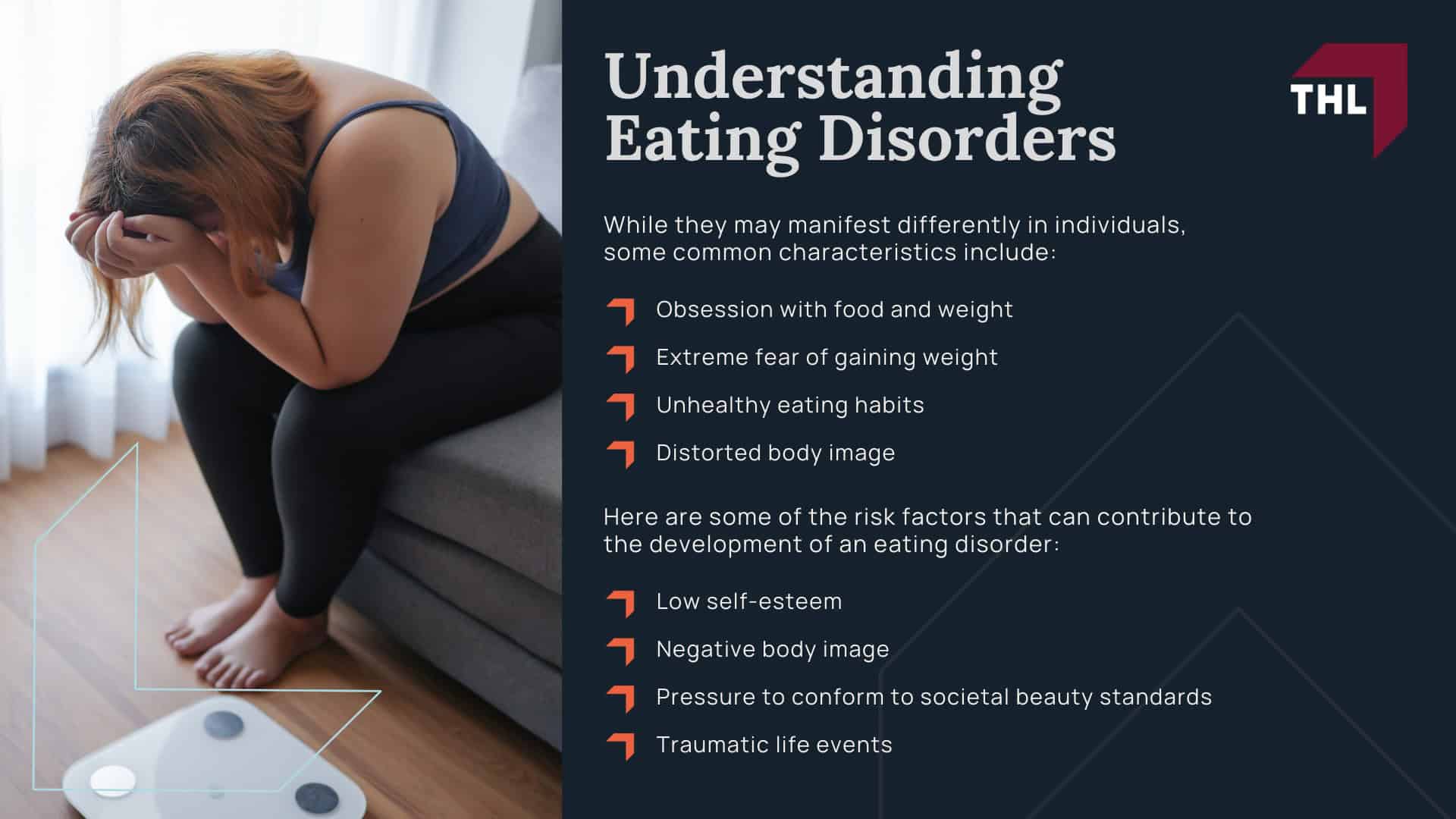
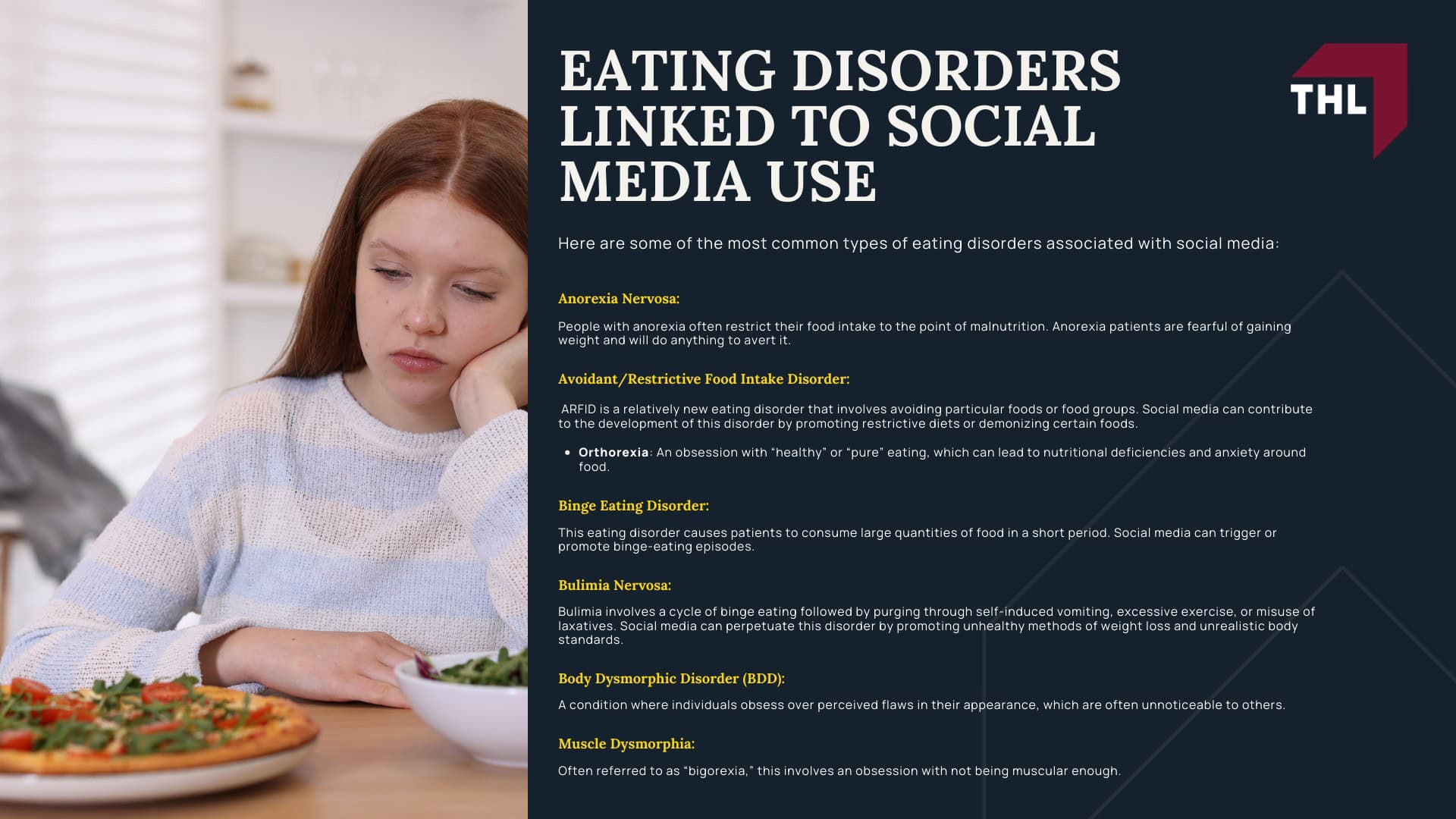
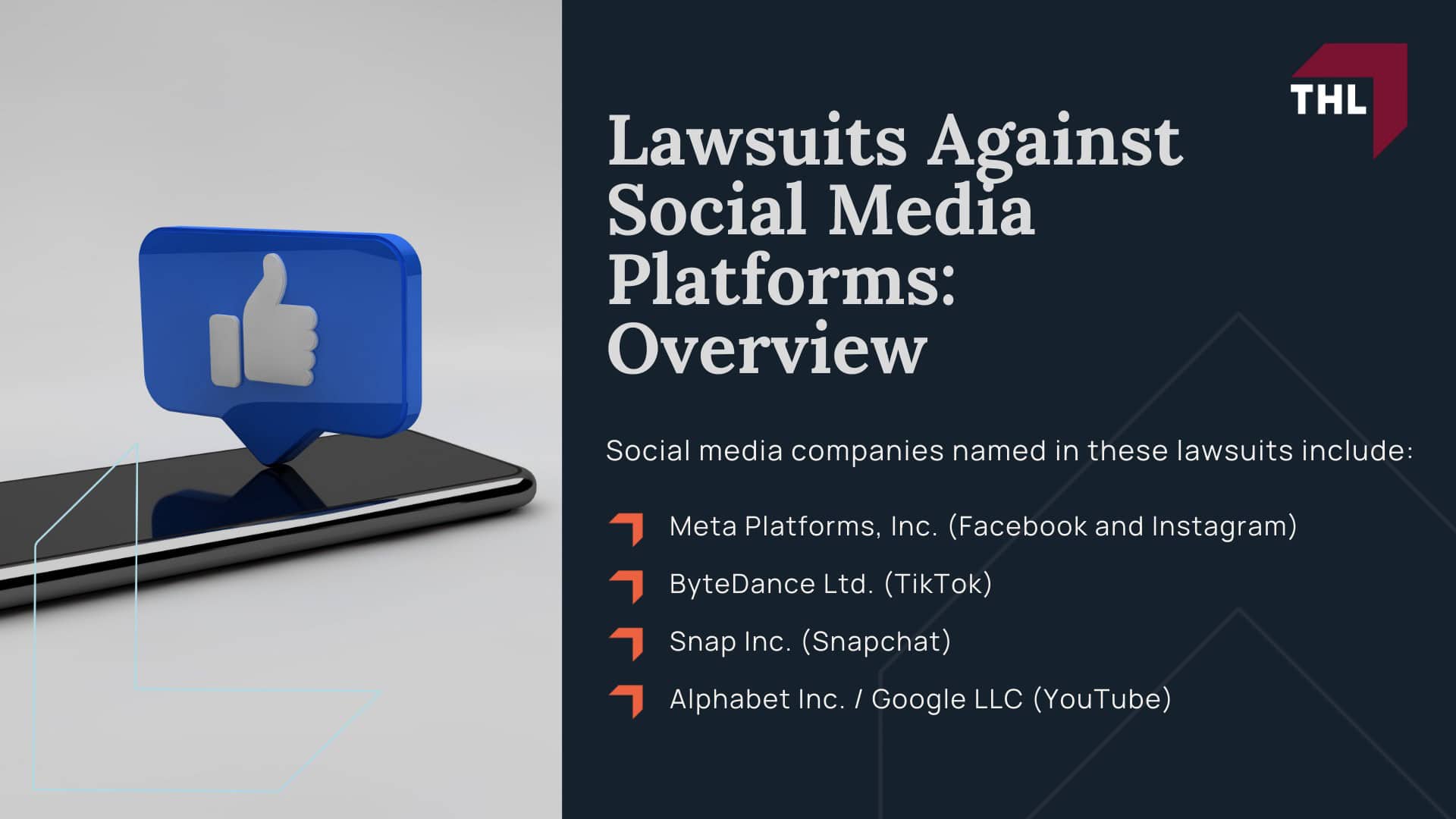
Social media harm lawsuits claim that social media companies are responsible for onsetting or heightening mental health problems, eating disorders, mood disorders, and other negative experiences of teens and children
You may be eligible to file a Social Media Mental Health Lawsuit if you are the parents of a teen, or teens, who attribute their use of social media platforms to their mental health problems.
The Paragard IUD, a non-hormonal birth control device, has been linked to serious complications, including device breakage during removal.
Numerous lawsuits have been filed against Teva Pharmaceuticals, the manufacturer of Paragard, alleging that the company failed to warn about the potential risks.
If you or a loved one used a Paragard IUD and subsequently suffered complications and/or injuries, you may qualify for a Paragard Lawsuit.
Patients with the PowerPort devices may possibly be at a higher risk of serious complications or injury due to a catheter failure, according to lawsuits filed against the manufacturers of the Bard PowerPort Device.
If you or a loved one have been injured by a Bard PowerPort Device, you may be eligible to file a Bard PowerPort Lawsuit and seek financial compensation.
Vaginal Mesh Lawsuits are being filed against manufacturers of transvaginal mesh products for injuries, pain and suffering, and financial costs related to complications and injuries of these medical devices.
Over 100,000 Transvaginal Mesh Lawsuits have been filed on behalf of women injured by vaginal mesh and pelvic mesh products.
If you or a loved one have suffered serious complications or injuries from vaginal mesh, you may be eligible to file a Vaginal Mesh Lawsuit.
Above ground pool accidents have led to lawsuits against manufacturers due to defective restraining belts that pose serious safety risks to children.
These belts, designed to provide structural stability, can inadvertently act as footholds, allowing children to climb into the pool unsupervised, increasing the risk of drownings and injuries.
Parents and guardians are filing lawsuits against pool manufacturers, alleging that the defective design has caused severe injuries and deaths.
If your child was injured or drowned in an above ground pool accident involving a defective restraining belt, you may be eligible to file a lawsuit.
Recent scientific studies have found that the use of chemical hair straightening products, hair relaxers, and other hair products present an increased risk of uterine cancer, endometrial cancer, breast cancer, and other health problems.
Legal action is being taken against manufacturers and producers of these hair products for their failure to properly warn consumers of potential health risks.
You may be eligible to file a Hair Straightener Cancer Lawsuit if you or a loved one used chemical hair straighteners, hair relaxers, or other similar hair products, and subsequently were diagnosed with:
- Uterine Cancer
- Endometrial Cancer
- Breast Cancer
- Or other health conditions
NEC Lawsuit claims allege that certain formulas given to infants in NICU settings increase the risk of necrotizing enterocolitis (NEC) – a severe intestinal condition in premature infants.
Parents and guardians are filing NEC Lawsuits against baby formula manufacturers, alleging that the formulas contain harmful ingredients leading to NEC.
Despite the claims, Abbott and Mead Johnson deny the allegations, arguing that their products are thoroughly researched and dismissing the scientific evidence linking their formulas to NEC, while the FDA issued a warning to Abbott regarding safety concerns of a formula product.
You may be eligible to file a Toxic Baby Formula NEC Lawsuit if your child received baby bovine-based (cow’s milk) baby formula in the maternity ward or NICU of a hospital and was subsequently diagnosed with Necrotizing Enterocolitis (NEC).
Paraquat, a widely-used herbicide, has been linked to Parkinson’s disease, leading to numerous Paraquat Parkinson’s Disease Lawsuits against its manufacturers for failing to warn about the risks of chronic exposure.
Due to its toxicity, the EPA has restricted the use of Paraquat and it is currently banned in over 30 countries.
You may be eligible to file a Paraquat Lawsuit if you or a loved one were exposed to Paraquat and subsequently diagnosed with Parkinson’s Disease or other related health conditions.
Mesothelioma is an aggressive form of cancer primarily caused by exposure to asbestos.
Asbestos trust funds were established in the 1970s to compensate workers harmed by asbestos-containing products.
These funds are designed to pay out claims to those who developed mesothelioma or other asbestos-related diseases due to exposure.
Those exposed to asbestos and diagnosed with mesothelioma may be eligible to file a Mesothelioma Lawsuit.
AFFF (Aqueous Film Forming Foam) is a firefighting foam that has been linked to various health issues, including cancer, due to its PFAS (per- and polyfluoroalkyl substances) content.
Numerous AFFF Lawsuits have been filed against AFFF manufacturers, alleging that they knew about the health risks but failed to warn the public.
AFFF Firefighting Foam lawsuits aim to hold manufacturers accountable for putting peoples’ health at risk.
You may be eligible to file an AFFF Lawsuit if you or a loved one was exposed to firefighting foam and subsequently developed cancer.
PFAS contamination lawsuits are being filed against manufacturers and suppliers of PFAS chemicals, alleging that these substances have contaminated water sources and products, leading to severe health issues.
Plaintiffs claim that prolonged exposure to PFAS through contaminated drinking water and products has caused cancers, thyroid disease, and other health problems.
The lawsuits target companies like 3M, DuPont, and Chemours, accusing them of knowingly contaminating the environment with PFAS and failing to warn about the risks.
If you or a loved one has been exposed to PFAS-contaminated water or products and has developed health issues, you may be eligible to file a PFAS lawsuit.
The Roundup Lawsuit claims that Monsanto’s popular weed killer, Roundup, causes cancer.
Numerous studies have linked the main ingredient, glyphosate, to Non-Hodgkin’s Lymphoma, Leukemia, and other Lymphatic cancers.
Despite this, Monsanto continues to deny these claims.
Victims of Roundup exposure who developed cancer are filing Roundup Lawsuits against Monsanto, seeking compensation for medical expenses, pain, and suffering.
Our firm is about people. That is our motto and that will always be our reality.
We do our best to get to know our clients, understand their situations, and get them the compensation they deserve.
At TorHoerman Law, we believe that if we continue to focus on the people that we represent, and continue to be true to the people that we are – justice will always be served.
Without our team, we would’nt be able to provide our clients with anything close to the level of service they receive when they work with us.
The TorHoerman Law Team commits to the sincere belief that those injured by the misconduct of others, especially large corporate profit mongers, deserve justice for their injuries.
Our team is what has made TorHoerman Law a very special place since 2009.